
“Executive-level audio” can be easy to misunderstand.
It doesn’t mean the audio is only for executives, and it isn’t about making a production bigger, louder, or more complicated than it needs to be.
It’s about the level of leadership behind the audio.
For Protostream, that means bringing in experienced audio engineers and producers who can do more than operate the equipment. They understand how the audio fits into the rest of the production, where a decision could create a problem elsewhere, and when an adjustment is worth making. Sometimes that means changing the approach. Sometimes it means knowing when to leave a working system alone.
Because on a high-stakes corporate event, technical skill is only part of the job.
Executive-Level Audio comes down to three things:
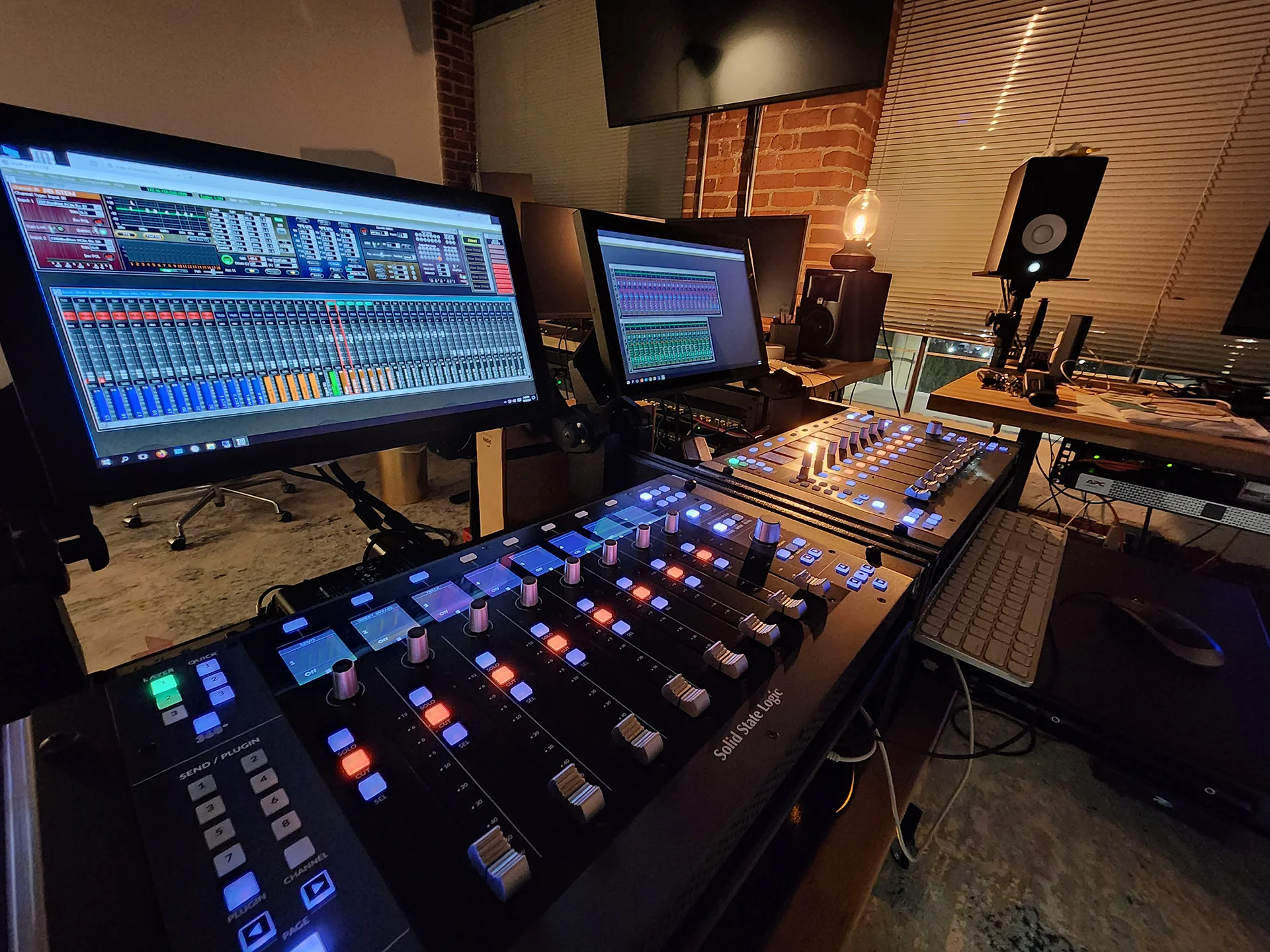
Redundancy
If one component fails, the show shouldn’t.
There will always be variables in live event production. Equipment can fail. Connections can drop. Schedules can shift. Someone can walk in five minutes before doors open with a change no one saw coming.
You can’t anticipate every failure, but you can ask what each backup is supposed to protect against. A console failure and a network interruption aren’t the same problem. The backup has to address the risk, and the team has to test it and know when to use it. Every additional layer brings more equipment, setup, and decisions, so it needs to earn its place in the system.
Most people in the room will never know those redundancies exist. That’s the goal.
Professionalism
The best audio engineers don’t just know the system. They know how to lead their part of the production.
They understand the run of the show, communicate clearly with producers and technical directors, protect the rehearsal schedule, and recognize how their decisions affect everyone else working on the event.
They also know when to raise a concern, when to recommend a different approach, and when to quietly solve something in the background.
That distinction matters.
An experienced audio professional knows which decisions they can make and which need the producer’s input. They’re paying attention, thinking ahead, and making decisions in the best interest of the production and the client.
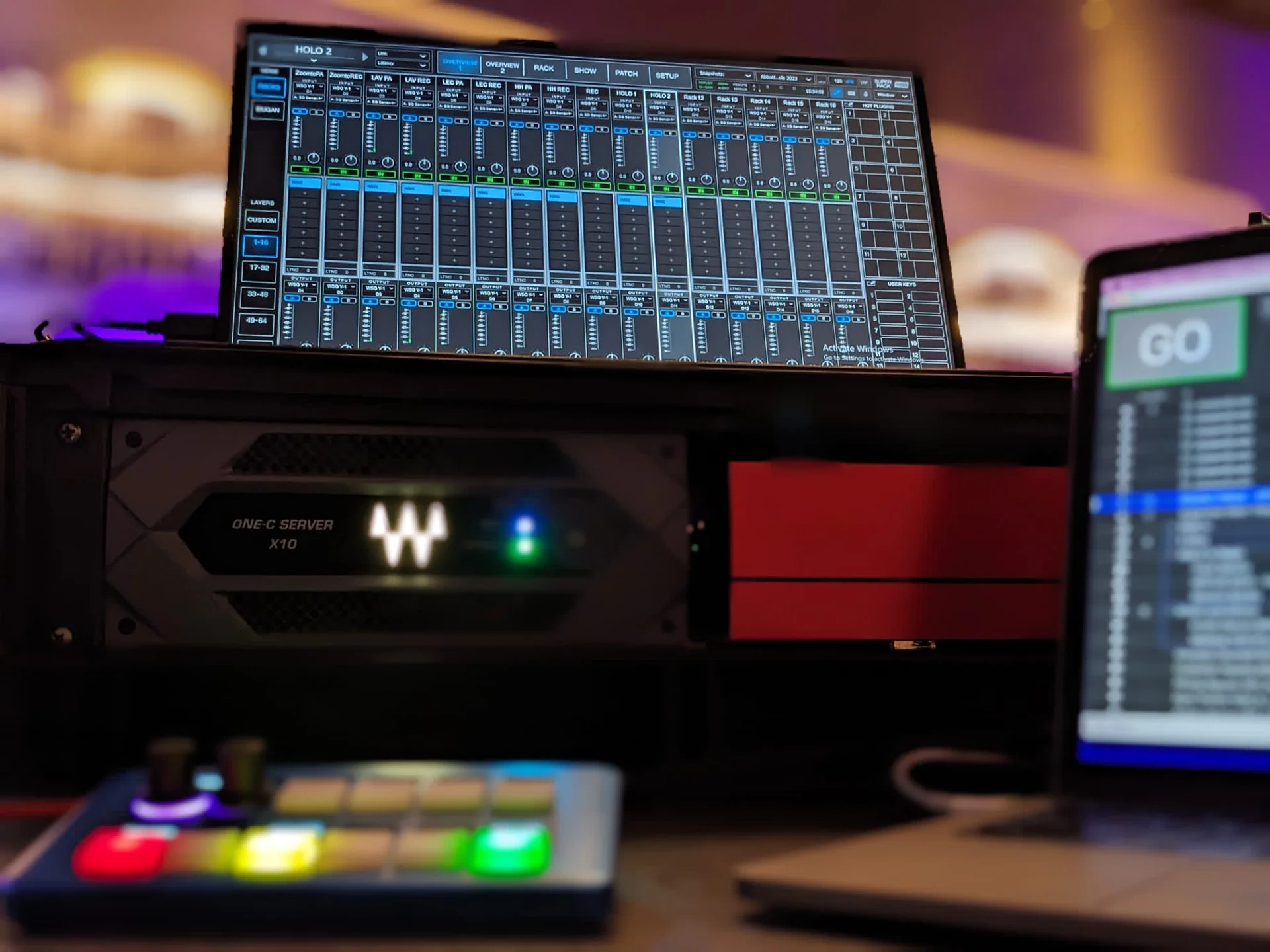
No Surprises
“No surprises” doesn’t mean nothing unexpected will happen. This is live production. Things change.
It means a change doesn’t automatically become a crisis.
The team has already talked through what happens if a connection drops, who needs to know, and what the next move will be. That preparation gives people somewhere to start when something changes. They can assess the problem and respond without making everyone else stop to figure it out with them.
You shouldn’t have to watch the audio console, manage the audio crew, or wonder whether an issue is being handled.
When there’s a problem, we make it ours. Then we see it through.
Confidence Is the Deliverable
At the end of the day, Executive-Level Audio isn’t defined by a console, a system, or a job title.
It’s defined by the judgment, preparation, and accountability of the people responsible for it.
It’s knowing your audio team understands what’s at stake. It’s trusting them to make the right call when the plan changes. And it’s having confidence that they will protect the production, the client, and the work of everyone around them.
Redundancies. Professionalism. No surprises.
That’s what Executive-Level Audio means at Protostream.
You bring us in because you know what you’re going to get: experienced audio leadership and a team that takes responsibility for the result.